
Eurostat’s preliminary estimate of 30 October 2026 puts EU third-quarter GDP growth at 0.5% quarter on quarter, down from 0.7% in the second quarter, after seasonal adjustment. EU year-on-year growth was 1.5%. The euro area grew 0.4% quarter on quarter. These preliminary estimates may be revised (Eurostat, 30 October 2026).
For businesses selling into the EU, the release is an opportunity to revisit market expectations. However, several steps still need checking between the broader economy and one company’s orders. The analysis below proposes a way to use the signal in business decisions without translating GDP growth into a sales forecast.
Separate the wider market from your own customers
A company may sell primarily to a few distributors, a particular customer group or a price segment. The useful question is therefore how current buyers are changing their plans, rather than simply whether the region’s economy is doing well or badly.
Distinguish confirmed orders from purchasing forecasts and requests for quotations. A customer requesting a quote for next season is considering a purchase, but has not committed to buying. Combining these three types of information into a single number can lead the company to order materials or reserve capacity prematurely.
Ask what is changing in the order
When a buyer reduces an order, do not immediately attribute the change to a weaker market. Ask whether the buyer is reducing inventory, changing delivery timing, switching suppliers or moving to another product range. The same reduction in orders can call for different responses depending on its cause.
If purchasing plans remain intact but the buyer wants smaller deliveries, the business can discuss production scheduling and the cost of each shipment. If the buyer is moving to a different price segment, product configuration and the value offered need review. When demand remains undecided, using an optimistic forecast as a production commitment becomes harder to justify.
A quote is not a firm order
Suppose a Vietnamese household-goods producer supplies a distributor in the EU. The customer requests a quote for a new model and says that additional purchases are under consideration, while existing firm orders have not increased. If the producer interprets that conversation as evidence of market recovery and manufactures the entire expected volume, it takes on additional risk based on an unconfirmed expectation.
A more cautious approach is to agree on the conditions for moving into production: approved specifications, confirmed quantities, a clear delivery schedule and suitable payment arrangements. Work done in advance can focus on activities that remain adjustable, such as checking supplier capacity or testing samples. This is a hypothetical management example, not a finding from a survey of exporters.
Prepare options that can change
Rather than choosing immediately between rapid expansion and sharp contraction, a business can prepare options based on customer information. Increasing capacity has a stronger basis when confirmed orders rise and payments remain on schedule. When customers are merely taking longer to decide, the company can preserve its ability to respond without converting every forecast into inventory.
Each option needs a clear condition for changing course. Depending on the business model, that condition might be sample approval, a signed order or confirmation of delivery timing. Decisions can then respond to new evidence rather than to the positive or negative tone of an economic headline.
Bring market information into the sales review
At the next review, the sales team should bring concrete changes from buyers: what has been confirmed, what remains pending and what could change the plan. Production and finance can examine that information together before committing more materials, staffing or delivery capacity.
An economic release becomes useful when it helps the business ask better questions and test its plans earlier. For the EU market, the practical step is to compare expectations with the quality of the company’s own orders, then choose commitments that verified information can support.
Source
Eurostat. (30 October 2026). GDP up by 0.4% in the euro area and by 0.5% in the EU.
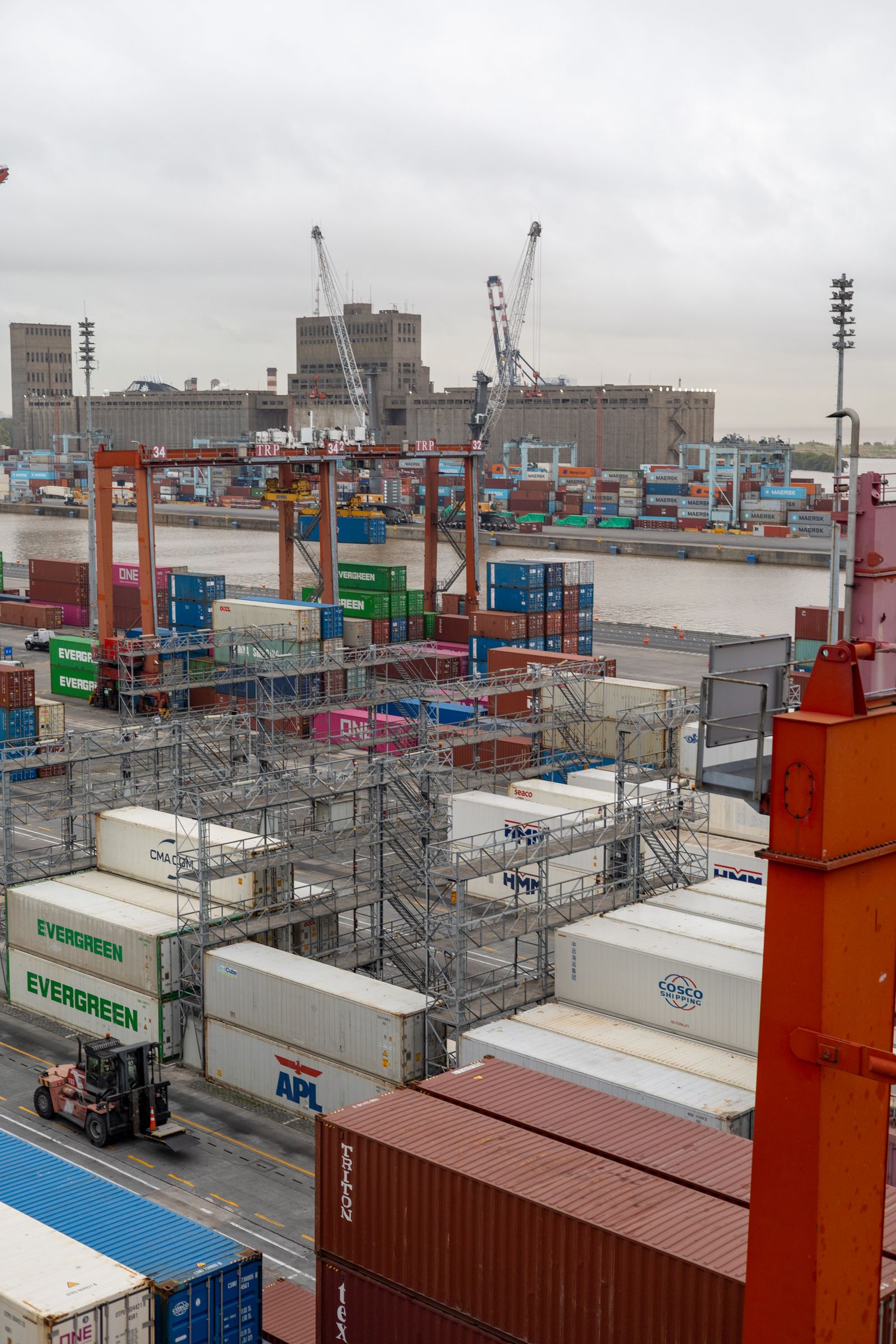
Illustrative photograph: Rafael Rodrigues / Pexels.