When people discuss AI, the conversation often stops at models, applications, and user skills. Yet operating those systems at scale requires a less visible layer: data centres, power, cooling water, connectivity, and operating staff. This infrastructure layer is becoming more explicit in how technology companies describe their AI strategies.
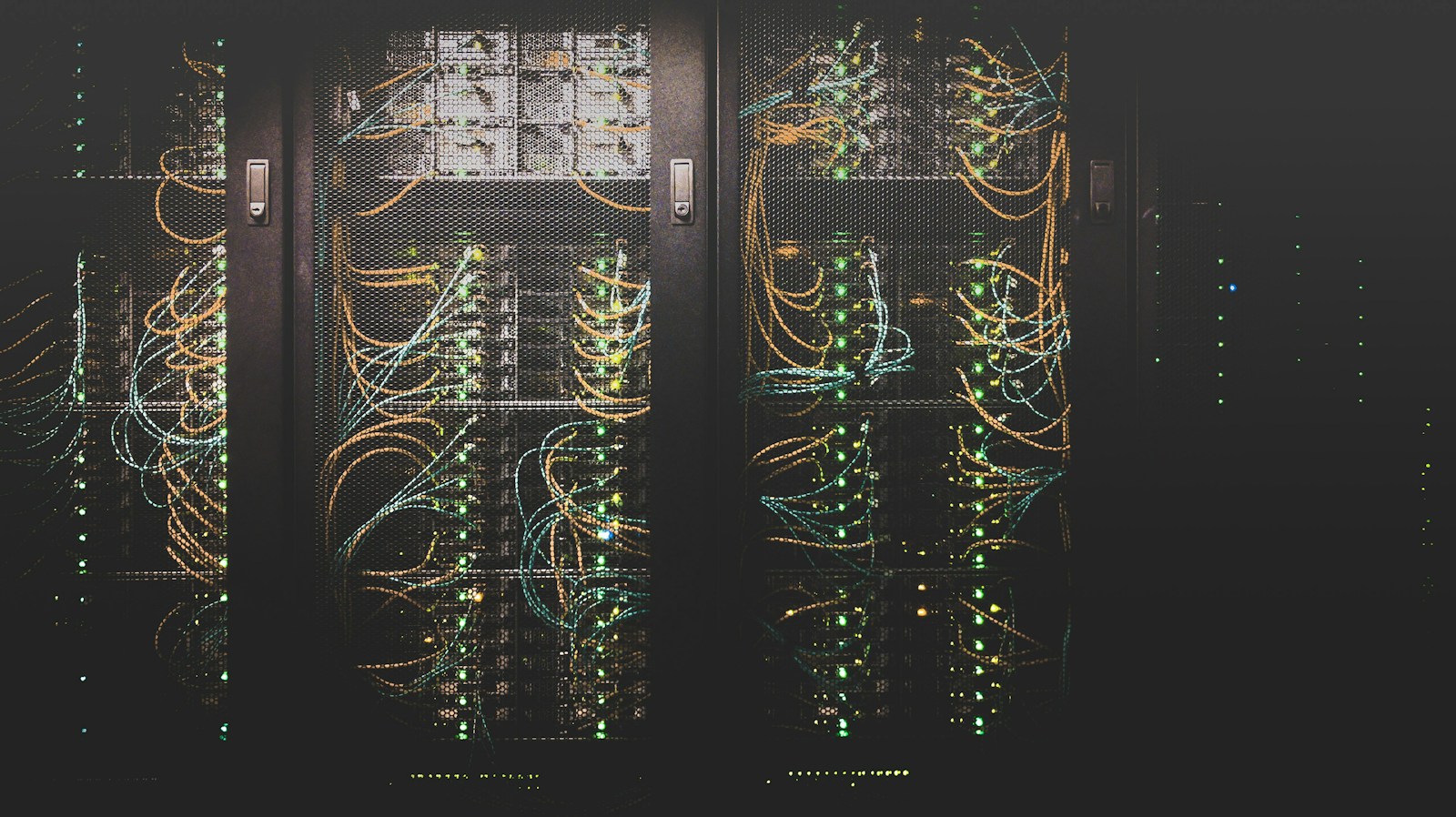
Fact: on 8 October 2026, Meta published a post addressing claims about data centres. The post describes two types of facilities visited by its author: an air-cooled compute data centre and an AI-optimised facility using closed-loop liquid cooling. Meta says the closed-loop system circulates a water-and-glycol mixture in a sealed loop; for the sites described, water withdrawal is permitted, metered, and included in local water planning. Meta also says that, in Louisiana, its agreement with Entergy is designed so that the data centre pays for the new generation and transmission it requires. These are Meta’s statements about its facilities and agreements, not an independent assessment of the industry.
The important signal is that infrastructure cost is entering the AI narrative
The post does not provide a general standard for concluding that every data centre has the same impact. Still, Meta’s decision to address water, power, and jobs shows that scrutiny of AI infrastructure is increasing. As computing capacity becomes an important input, the question is no longer only “what can the model do?” It is also “which resources are needed to operate it, who pays for them, and who is affected?”
For a business that uses AI, this is not a reason to assess data-centre design independently. A more practical implication is to include infrastructure in supplier evaluation. When a provider promises AI capacity, procurement or technology teams can ask: where is processing performed, what do service terms say about availability, what does the provider disclose about power, water, or emissions, and which reports can the business obtain for audit purposes?
Separate company statements from independent evidence
Signals in Meta’s post, such as its comparison of water use with an average US golf course or its account of grid costs, should be read in their proper role: they are arguments made by a company to explain its own operations. They may be useful for understanding what Meta is doing and prioritising, but they are not sufficient to infer conditions at other operators, in other countries, or across the entire AI supply chain.
Therefore, if an organisation needs to include sustainability criteria in a decision about an AI platform, the next step should not be to repeat a communications figure. It should define the criterion to be checked, acceptable evidence sources, the update cycle, and the person responsible for review. For example, a governance team can request official documentation for the data centres relevant to the service being bought, the geographic scope, the reporting year, and the calculation method.
Infrastructure is an operating risk, not only a brand issue
Power and connectivity directly affect service delivery. Water, planning, and community relations can affect permits, expansion schedules, and legal risk. When a provider depends on a small number of regions or an infrastructure type, those risks can enter a customer’s supply chain as interruption, capacity limits, or changing costs.
A proportionate approach is to add three questions to supplier review: which regions support our critical service; what fallback exists if disruption occurs; and which documents can verify the provider’s commitments? These questions do not require a business to forecast electricity markets. They help treat AI as an operating capability with conditions, rather than an invisible cloud tool that is always available.
The management interpretation here is deliberately cautious: the AI market is making infrastructure more visible, but every impact claim still needs to be checked for the particular provider and local context. For technology buyers, the most useful move is to turn that attention into specific questions for risk governance, contracts, and contingency planning.