
On 30 October, Vietnam’s Ministry of Industry and Trade issued Directive 12/CT-BCT on balancing supply and demand and stabilising the market at the end of 2026 and for the Lunar New Year. The Directive reports that retail sales of goods and consumer-service revenue reached VND 5,926 trillion in the first nine months, up 13.4% year on year, compared with 9.8% growth in the corresponding period of 2025.
This is a direct signal for businesses monitoring Vietnam’s consumer market. It does not, however, mean that every brand, channel, or product category will grow at the same rate. Market data need to be considered alongside each business’s orders, local demand, stock position, and margins (Ministry of Industry and Trade, 30 October 2026).
Fact: demand is growing, while price and supply pressures remain
The Directive describes continued growth in production, business activity, and consumption, while pressure on prices and the supply of goods is increasing. Average CPI growth for the first nine months was 4.52%. A market with rising total demand can therefore still create very different pressure on costs, inventory, and delivery capability across businesses.
The Ministry directs supply-demand connections, development of Vietnamese brands, concentrated promotion programmes, trade fairs, exhibitions, and consumption of local products. It also highlights essential-goods supply, import-export monitoring, and the expansion of e-commerce distribution. These are policy and market-operation directions, not a sales forecast for an individual business.
Interpretation: prepare early for the purchasing season
Retail, consumer-goods, and service businesses should start with a short weekly forecast covering product group, sales channel, stock, replenishment time, and post-promotion margin. The goal is not to stock the most goods, but to identify products that may run short, categories at risk of slow movement, and supply-chain points that need earlier commitments.
For marketing, a promotion matters only when it gives customers a clear reason to buy. Rather than discounting across the board, a business can distinguish three objectives: acquiring new customers, increasing basket value, and reactivating repeat purchases. Each objective needs its own message, offer, and measure. A programme that attracts attention but does not improve conversion or margin should not be treated as successful.
Three actions to take now
First, review forecasts by channel and region. Second, set a safe inventory level and alternatives for critical products. Third, build a promotion calendar tied to delivery capacity, budget, and measures such as conversion rate, average order value, and repeat purchase. When internal evidence is used with a market signal, a business can capture the peak season without sacrificing price control or customer experience.
Source
Vietnam Ministry of Industry and Trade. Directive on market stabilisation at the end of 2026 and Lunar New Year 2027, 30 October 2026.
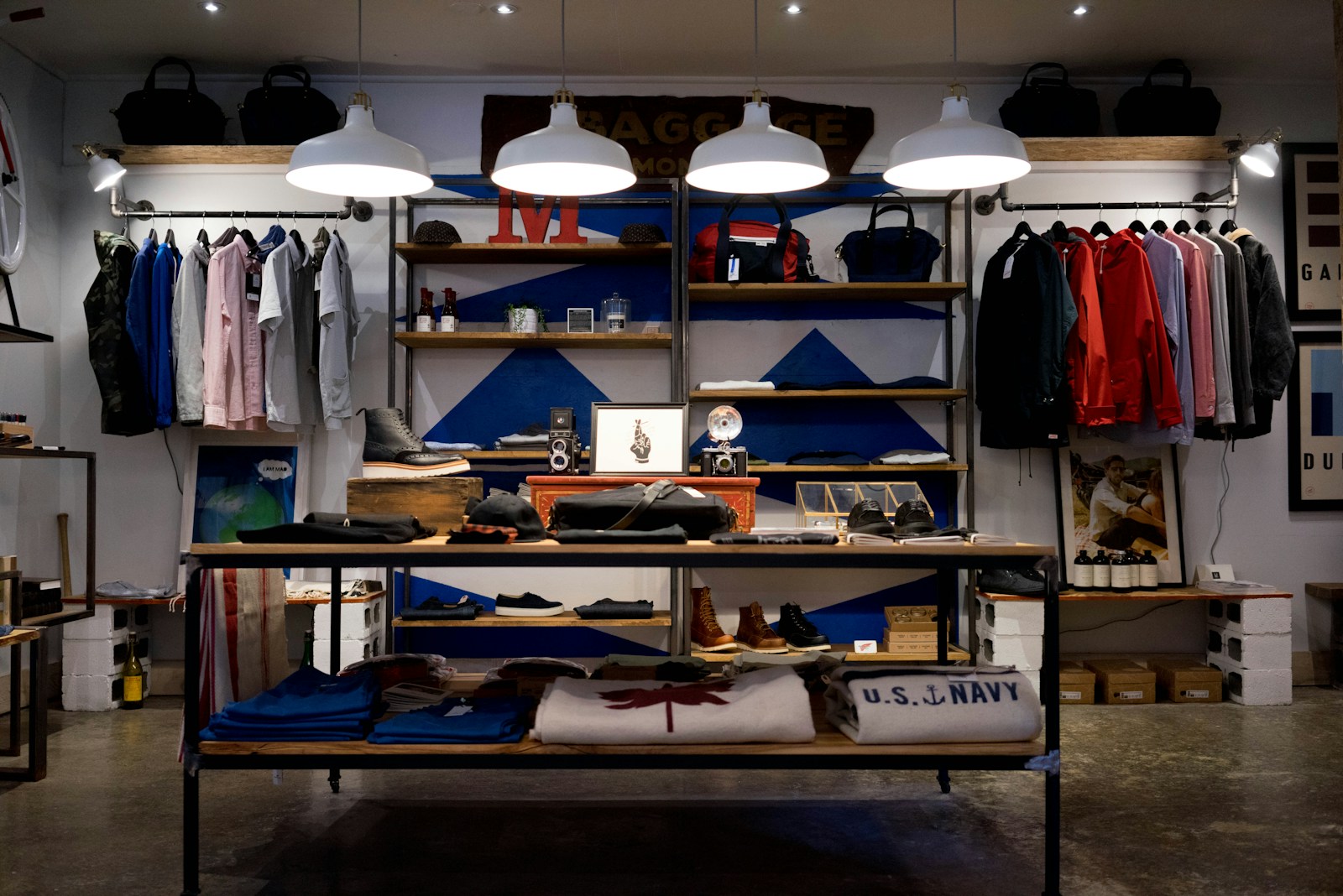
Illustration: Clark Street Mercantile / Unsplash.