The market is sending two signals that Vietnamese businesses should read together: growth remains strong, yet financing costs and external risks have not disappeared. In its Viet Nam Macro Monitoring, released on October 8, 2026, the World Bank reports that third-quarter growth accelerated to 9.9%, driven by industry, construction, and strong investment. The report also notes that high import intensity is pressuring the external balance, reported export orders have softened, and inflation reached 5.1% as oil prices rose.
Facts and management meaning
These are macroeconomic facts, not a forecast for every company. For businesses serving supply chains, construction, consumer markets, logistics, or investment-related services, growth can create demand but also strain inventory, receivables, staffing, and supplier reliability. New orders should be viewed alongside lead times, order-fill rate, inventory turns, and days sales outstanding.
The World Bank also notes that tighter domestic financial conditions have raised borrowing costs in bond markets. Businesses dependent on imported inputs, short-term borrowing, or export customers can review contracts by payment terms, exchange-rate exposure, and import dependence, then monitor cash-conversion cycle, effective borrowing cost, margin by order, and on-time delivery. Growth becomes durable only when it improves cash-flow quality.
Data source
World Bank, Viet Nam Macro Monitoring, October 8, 2026: https://documents.worldbank.org/en/publication/documents-reports/documentdetail/099014110082634935
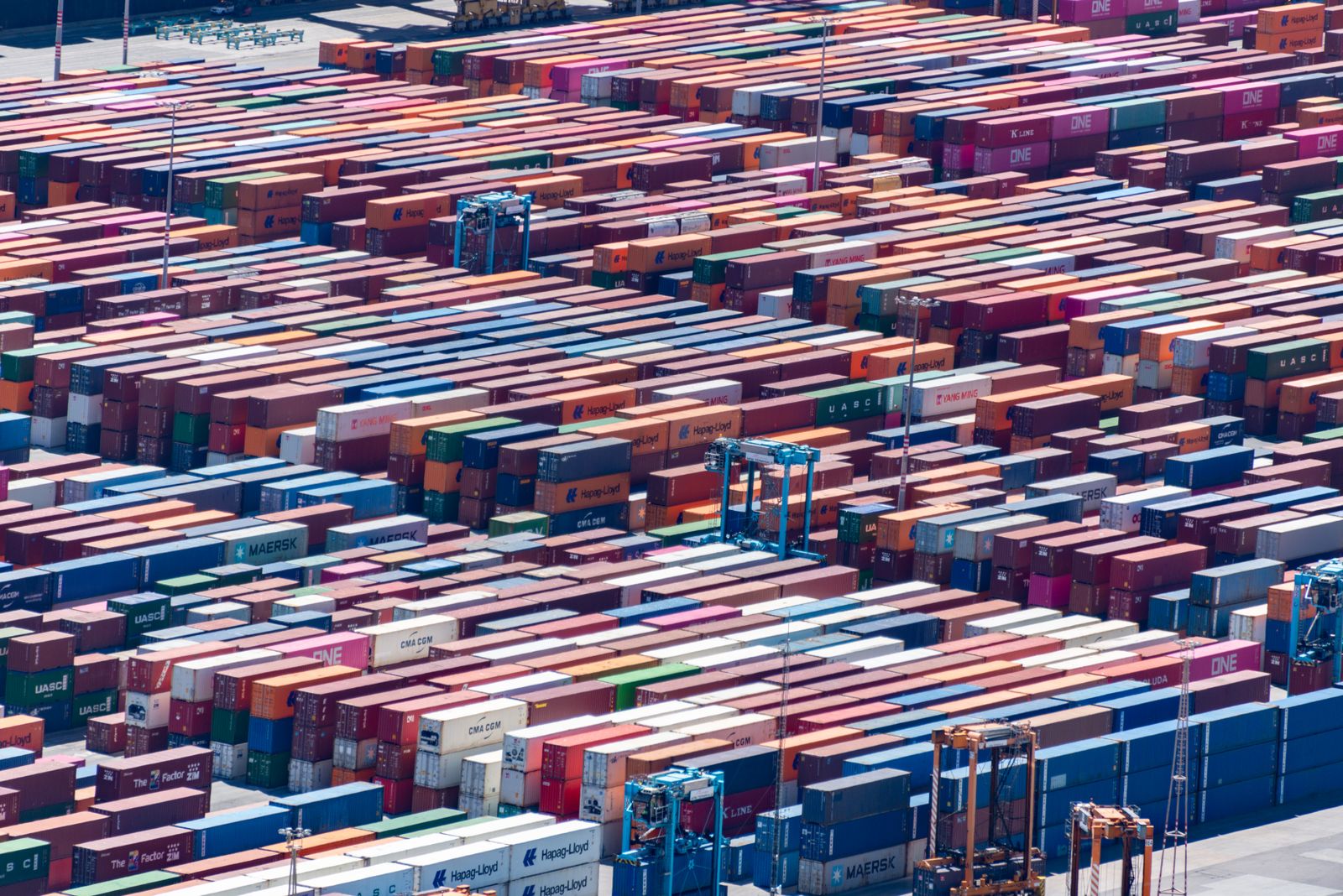
Illustration: Diego F. Parra / Pexels, https://www.pexels.com/photo/aerial-view-of-containers-and-machinery-in-a-port-24244232/